“Mental health is defined as a state of well-being in which every individual realizes his or her own potential, can cope with the normal stresses of life, can work productively and fruitfully, and is able to make a contribution to her or his community.”
It is estimated that 15 % of population suffers from mental disorders.
Together Neuro psychiatric disorders account for 12% of the global burden of disease (GBD).
One in four families is likely to have at least one member with a behavioural or mental disorder (WHO 2001).
Most of them (>90%) remain un-treated.
25 % of each OPD is having one or another form of common mental illness which remains undiagnosed.
SERVICES PROVIDED
Out-patient services/ In-patient services.
Assessment
Counseling/ psycho social interventions/ psycho education.
Provision of treatment
Availability and provision of psychotropic drugs
Referral/ consultation and linkages (PPT model)
Training or capacity building
ASHA, NURSES, MO’s, RHO’s, Anganwadi workers etc.
Targeted interventions program
Community awareness
School and college mental health services like mental health awareness and life skills training.
Conducting workshop on stress management, suicide prevention, family enrichment, mental health awareness with religious leaders or faith healers.
Mental health screening and assessment camps.
Jail camps/ delinquent home/ old age home.
CHC level mental health assessment and treatment camps in the district.
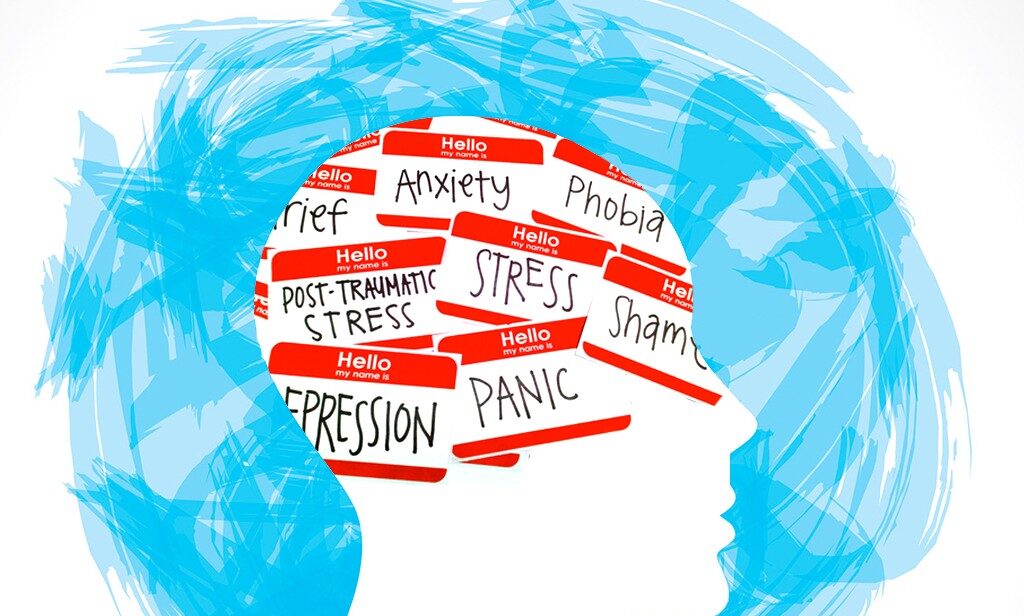
Symptoms of mental health problems
Feeling sad or down
Confused thinking or reduced ability to concentrate
Excessive fears or worries, or extreme feelings of guilt
Extreme mood changes of highs and lows
Withdrawal from friends and activities
Significant tiredness, low energy or problems sleeping
Detachment from reality (delusions), paranoia or hallucinations
Inability to cope with daily problems or stress
Trouble understanding and relating to situations and to people
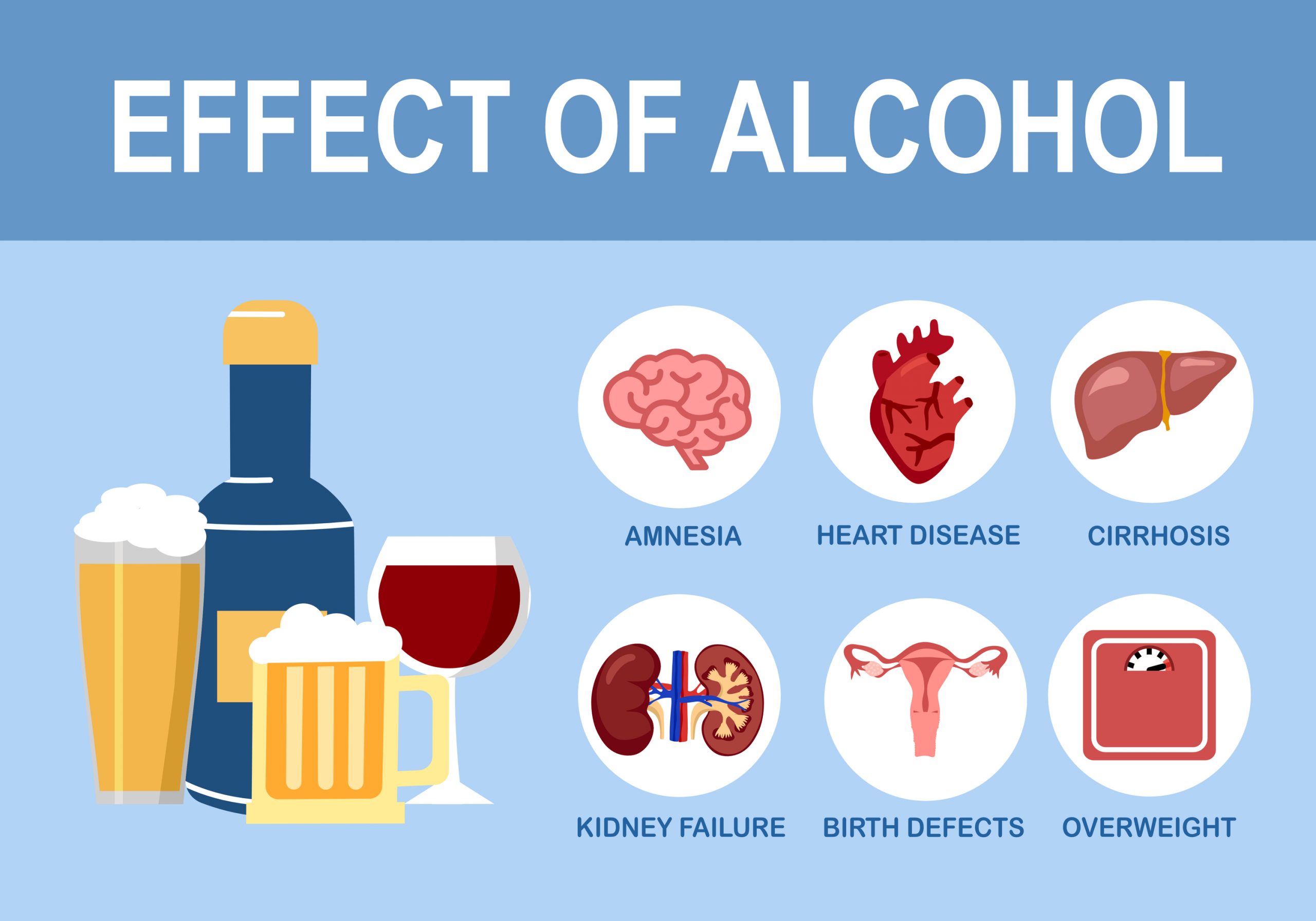
Problems with alcohol or drug use
Major changes in eating habits
Sex drive changes
Excessive anger, hostility or violence
Suicidal thinking
Tele MANAS is a Govt. of India initiative. Free, 24/7 mental health support. Call 14416 to connect with a counsellor. We’re here to listen. Available in 20+ languages.
Why Choose Us?
We provide specialized mental health and de-addiction services designed to heal the mind, restore confidence, and rebuild lives. Our care is compassionate, confidential, and focused on long-term recovery.
Emergency counseling for suicidal patients
All types of Emotional and Behavioral therapies
Family Counseling & Support
Deaddiction of Alcohol,Tabacco,e-Gaming.
Qualified team of mental health experts
Immediate Access to ICU, OT & Lab Services
Mental Health Doctors
Mental Health Expert- Dr. Prakash Chetwani
Nodal officer- Dr. Cannon Daniel
Consultant- Mr. P. Atit Rao Contact No: 7987646469
Anxiety Disorders (e.g., Generalized Anxiety Disorder): Characterized by excessive and persistent worry and fear about everyday situations, lasting for at least 6 months.
Panic Disorder: Characterized by sudden and repeated episodes of intense fear or panic (panic attacks), followed by at least 1 month of persistent worry about having more attacks or their consequences.
Depressive Disorders (e.g., Major Depressive Disorder): Marked by persistent feelings of sadness, loss of interest, and a significant change in mood and behaviour, lasting for at least 2 weeks.
Bipolar Disorder (e.g., Bipolar I): Involves extreme shifts in mood, with at least one manic episode lasting for a minimum of 7 days or requiring hospitalization. Depressive episodes, which also occur, must last at least 2 weeks.
Schizophrenia: A chronic disorder that affects a person's ability to think, feel, and behave clearly, with symptoms present for a significant portion of at least a 1-month period, and continuous signs of disturbance for at least 6 months.
Obsessive-Compulsive Disorder (OCD): Features unwanted, recurring thoughts (obsessions) and repetitive behaviours (compulsions) that are time-consuming (more than one hour per day) or cause significant distress, and have been present on most days for at least 2 successive weeks.
Post-Traumatic Stress Disorder (PTSD): Develops after experiencing or witnessing a traumatic event, with symptoms of intrusion, avoidance, negative changes in thinking, and altered arousal lasting for more than 1 month after the trauma.
Alcohol/ tobacco/ cannabis Use Disorder: A problematic pattern of use of any volatile substance leading to significant impairment or distress, with a diagnosis based on a problematic pattern of use occurring within a 12-month period.
Eating Disorders (e.g., Anorexia Nervosa): Involve severe disturbances in a person's eating behaviours and related thoughts, with no specific time duration for diagnosis, but rather a persistent pattern of behaviour leading to significant health consequences.
Personality Disorders: A group of disorders characterized by a rigid and unhealthy pattern of thinking, functioning, and behaving that has been stable and of long duration, typically beginning by late adolescence or early adulthood.
Attention-Deficit/Hyperactivity Disorder (ADHD): A neurodevelopmental disorder marked by persistent patterns of inattention or hyperactivity-impulsivity that have been present for at least 6 months.
Autism Spectrum Disorder (ASD): A neurodevelopmental condition that affects communication, social interaction, and behaviour, with symptoms typically appearing in the first two years of life.
Internet Gaming Disorder (Under Study): A pattern of persistent or recurrent gaming behaviour that causes significant distress or impairment, with a diagnosis requiring at least five of nine symptoms within a 12-month period.
Internet and Social Media Addiction: While not formal diagnoses, these terms are used to describe a problematic pattern of internet or social media use that causes clinically significant distress or impairment, often leading to a neglect of other important life areas. There are no official time duration criteria for these as of yet.
Dementia: A general term for a decline in mental ability severe enough to interfere with daily life, where symptoms represent a significant decline from a previous level and are persistent and progressive over time.